
Zapata County Arrest Warrant Article 15.05
Article 15.05 of the Texas Code of Criminal Procedure spells out what a sworn complaint must contain before a magistrate signs an arrest warrant. It needs the accused's name or a reasonably definite description, the alleged offense, and the facts supporting probable cause. Time and place come in as clearly as possible. The affiant signs it. The magistrate then reviews the complaint and issues the written command. Zapata County posts no local warrant-number format and no searchable warrant file for the public. For a specific matter, name the court and ask its clerk which document exists and can be inspected or requested.
Arrest Warrants in Zapata County
An arrest warrant is a written order from a magistrate telling an authorized officer to take someone into custody. A sworn complaint sits behind it. So does a probable-cause review by the magistrate. That is what separates it from a capias, which issues after a missed court date in a case already open. Where you file matters in Zapata County. The 49th Judicial District Court handles felony and district matters, and the four JP courts also perform magistrate functions and may issue arrest warrants. The case level, not some generic county warrant label, tells you which clerk to call.
Zapata County JP Arrest Warrants
Each Zapata County justice of the peace can act as a magistrate under Texas law. That power covers search warrants and arrest warrants alike. It is separate from the JP's traffic-citation work. A JP warrant may sit in a precinct court file even though the county offers no public countywide warrant list. For a JP matter, call the precinct printed on the citation or case paper. A felony matter belongs with the 49th District Court or the District Clerk. The Sheriff's Office and constables may serve an order, but their involvement never replaces the issuing magistrate's own record. Ask the court, not the server, when you need the file.
What a Zapata County Arrest Warrant Contains
Zapata County does not publish a sample warrant or a results screen. Statutes and court manuals suggest what a record should hold. Access may still be limited by a seal, an open investigation, juvenile confidentiality, or protected personal details.
| Warrant number | Local format not published Identify the file by cause number when known. |
|---|---|
| Named subject | Name or a reasonably definite description; no personal example is reproduced. |
| Charge / offense | Offense alleged in the complaint or related court file. |
| Issuing judge / court | Magistrate, JP precinct, County Court, or 49th District Court as applicable. |
| Bond / commitment | May appear in the order; no universal Zapata County schedule is published. |
| Date / return | Issue and execution details may be filed with the court. |
Zapata County Search Warrant Records
A search warrant is not an arrest order. It authorizes a search for described evidence or property. Texas Chapter 18 demands probable cause on a sworn affidavit. Once executed, the affidavit generally becomes public unless sealing, other law, or an active-investigation exception applies. The official Chapter 18 text sets out the search-warrant rules, not any Zapata County personal record.
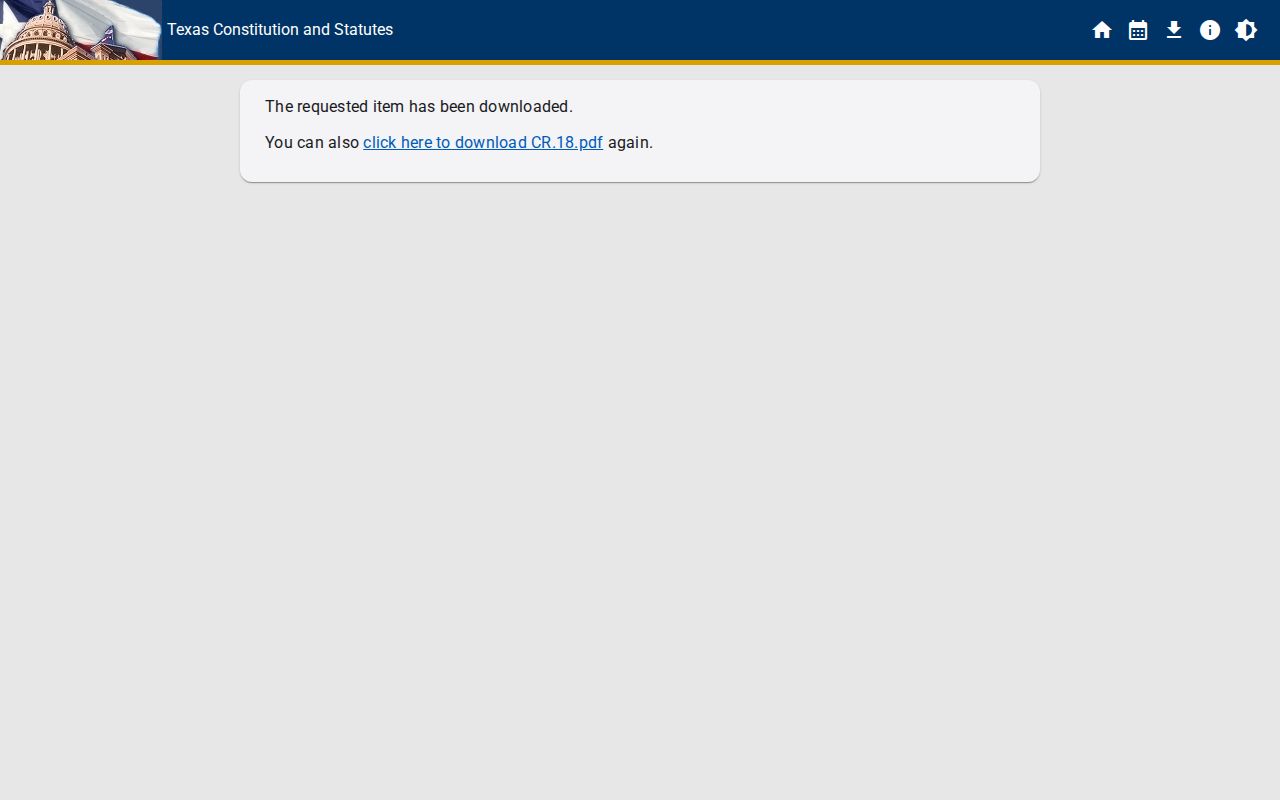
Read Chapter 18 for the search-warrant rules. Zapata County may withhold a sealed or unexecuted affidavit.
How Arrest Warrants Are Served
Service in Zapata County runs through the Sheriff's Office and the constables. The Sheriff's Office handles service of process, court security, jail and prisoner duties, and bail acceptance for people in custody. Constables are peace officers and executive officers of the JP courts, serving process and executing judgments. The public pages name no dedicated warrant unit, no warrant line, and no service schedule. The clerk keeps the court records and returns; the serving agency carries the order out. If custody or bail is involved, call the Sheriff's Office before you travel. The county publishes no universal bond amount, booking route, or surrender procedure.
Note: Ask which agency holds the order and which court can recall it; service and case control belong to different offices.
Zapata County Federal Warrants Route to Laredo
Federal cases never run through the county courts. Zapata County sits in the Laredo Division of the U.S. District Court for the Southern District of Texas. PACER is a federal docket tool, not a county warrant search. Sealed federal process may not appear on a public docket. The federal court's Laredo Division page gives the division's service area and public contact details.
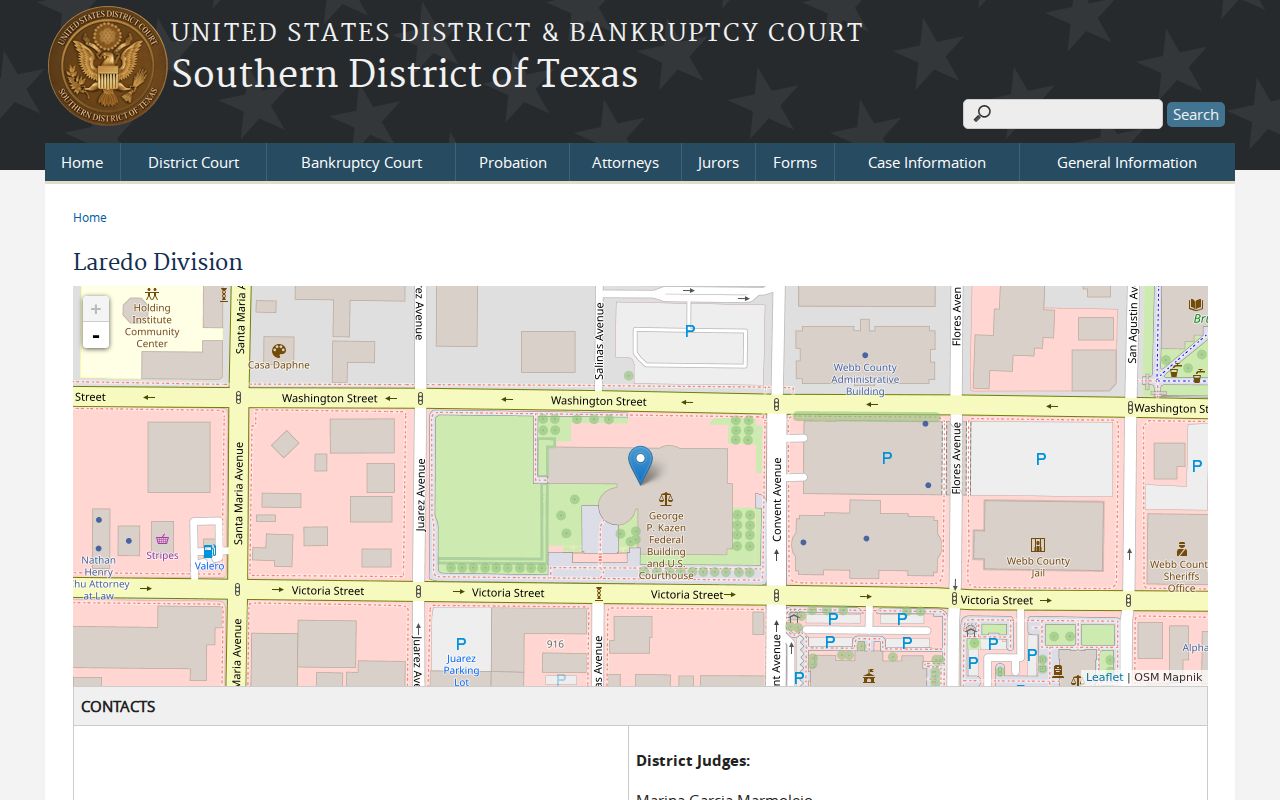
Route federal questions with the official Laredo Division page. Zapata County residents face federal fees for PACER documents. The federal PACER access page describes its account and case-search tools.
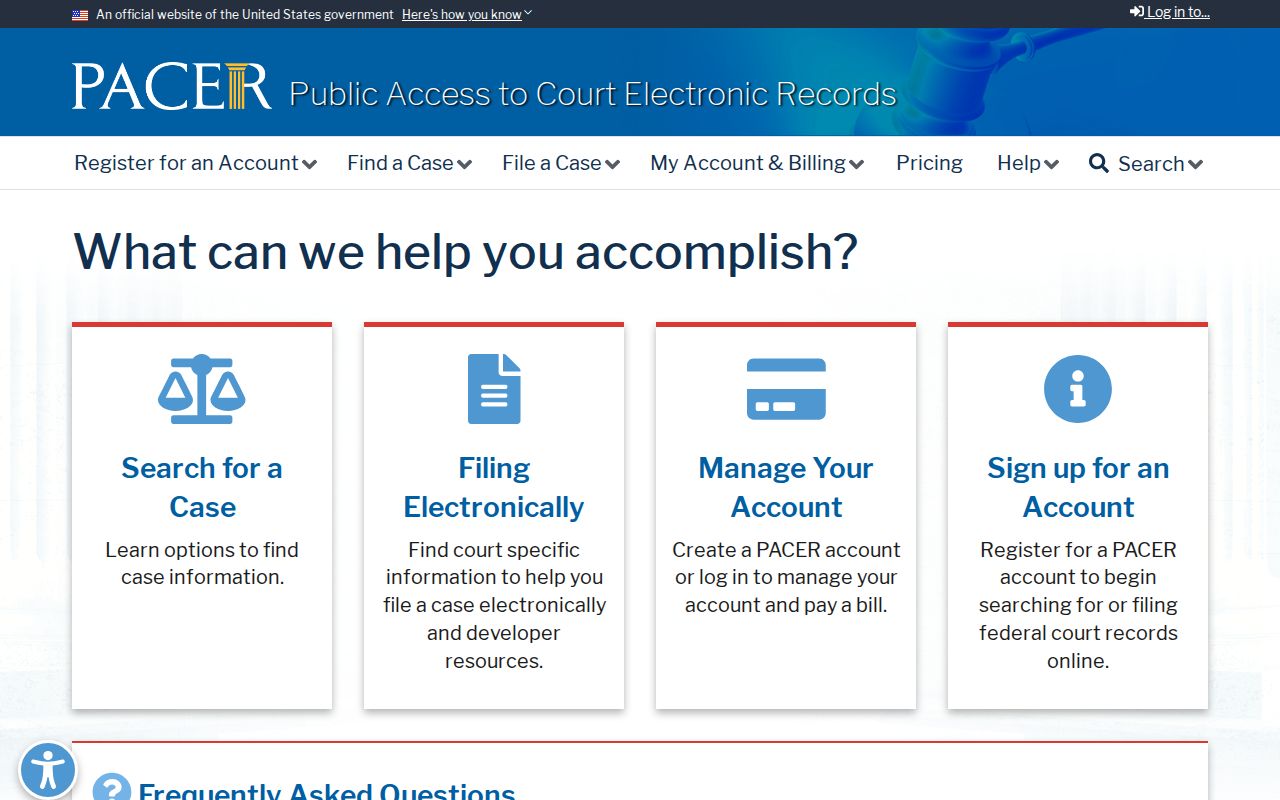
Take federal status questions to federal counsel or the proper federal office in Zapata County, not to GovRec.
Arrest Warrant vs Summons vs Bench Warrant
These papers demand different responses. A summons directs a person to appear. An arrest warrant authorizes custody on a complaint. A bench warrant or capias usually follows a missed court obligation in Zapata County. The issuing court can tell you which paper applies and what it requires.
| Feature | Arrest Warrant | Summons | Bench Warrant |
|---|---|---|---|
| What it orders | Take the accused into custody | Appear in court | Bring a person before court after noncompliance |
| Basis | Complaint and probable cause | Notice to appear | Missed setting or other court obligation |
| Who issues it | Magistrate or court | Court or authorized officer | Judge handling the existing case |
| How to respond | Confirm with counsel and court | Appear as directed | Ask the court about recall or appearance |
Juvenile Warrants and Zapata County Access
Texas Family Code section 58.010 makes a child's arrest warrant and its supporting complaint or affidavit confidential, subject to the statute's listed exceptions. A public-record request cannot promise access to those materials. Other sealed or active-investigation files may also be withheld. For nonjuvenile court records in Zapata County, the Texas Public Information Act permits a written request to the office believed to hold an existing document. The Texas Attorney General advises that requests describe the information clearly, and production may still be delayed or limited by lawful exceptions. The Texas Family Code text carries the confidentiality rule.
What to Do If There Is a Warrant for You
Find out which court issued the warrant before you plan anything. Get the order type confirmed, too. Ask the clerk whether a voluntary appearance, a bond, a motion, or some other step is what the court wants from you. Zapata County publishes no universal bond schedule and no set surrender window, so the answer has to come from the court itself. The Sheriff's Office does accept bail, though only for people already in custody. A Texas attorney can arrange a safe appearance or ask the court to recall or quash the order. Hang onto the cause number, any filed motion, and proof of whatever the court does. If a license hold is involved, contact DPS or OmniBase separately once the issuing court reports compliance.
Important: Before appearing, ask a lawyer and the issuing court about the warrant, bond, and a planned surrender or hearing.